Philanthropy in America by Zunz Olivier
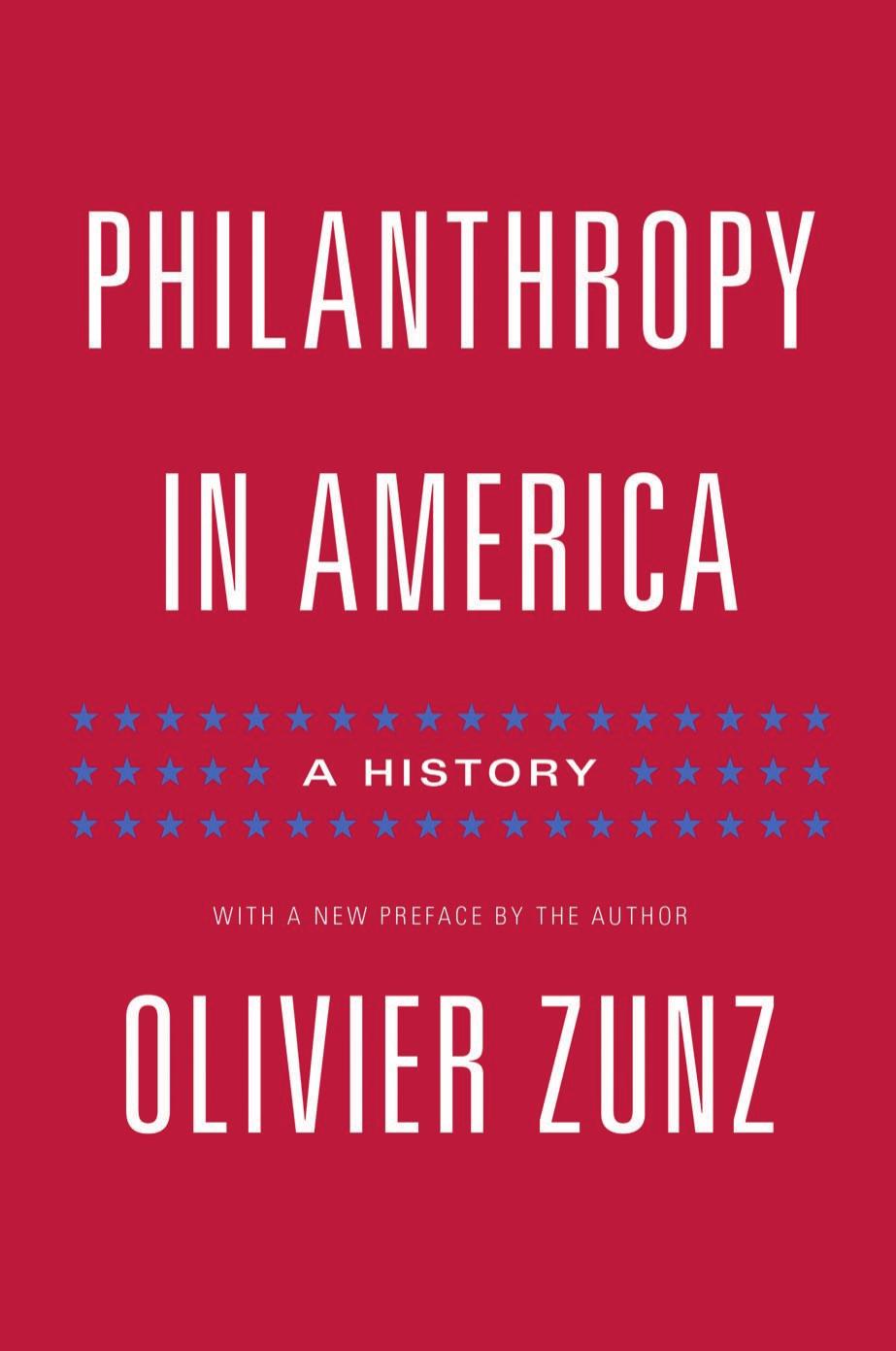
Author:Zunz, Olivier
Language: eng
Format: epub, pdf
Publisher: Princeton University Press
Published: 2012-06-16T16:00:00+00:00
Early Philanthropic Investment in Civil Rights
At the start of the 1960s, the halting pace of the federal government’s response to the civil rights movement created an opening for liberal foundations. With the Brown decision unenforced, segregation remained the most intractable of issues. Little progress on civil rights legislation had been made during the Eisenhower years. President Kennedy was at first more concerned with preserving his friendship with influential Southern senators than with listening to African-American civil rights leaders. As the latter deepened their resolve, however, Kennedy together with his brother Robert, whom he had appointed attorney general, responded by implementing a level of reform at the executive level, with the stroke of a pen, as it came to be said, thus bypassing congressional oversight. The president appointed minority officials and issued an executive order to create an Equal Opportunity Employment Committee.18 But lacking a congressional appropriation, the Kennedys needed philanthropic funds to put their plan into action on the ground.
The Supreme Court had outlawed segregation in trains and buses and public facilities used in interstate transportation in December 1960, but to no avail in the South.19 As Freedom Riders were subjected to extreme violence, Robert Kennedy and a few Justice Department lawyers—Assistant Attorney General for Civil Rights Burke Marshall first among them—offered civil rights leaders a strategy: they should help register black voters in the South and send them to the polls.20 Voter registration became the first educational project that brought together the administration and philanthropy.
In the 1950s there had been challenges to Southern white registrars’ denial of voting rights to African-Americans, but with limited results.21 Civil rights leaders were skeptical of the Kennedy plan, which they took as a diversion and ultimately a submission to the status quo. Bayard Rustin, a founder of the Congress of Racial Equality (CORE) and a close associate of Martin Luther King, Jr., alleged of the president: “He calls the Negro leaders together and says in effect, ‘I want to help you get money so Negroes can vote.’ That’s when he is bowing towards us. Then he turns and bows to the Dixiecrats and gives them Southern racist judges who make certain that the money the Negro gets will not achieve its purpose.”22 Nonetheless, the strategy provided an opening for foundations to enter the civil rights struggle by funding educational pursuits, such as registration campaigns. Philanthropists were not supposed to go into politics, but they could legally promote voter “education” aimed at teaching citizens how to pass the literacy tests segregationists had set up to prevent them from casting their votes.
A handful of philanthropists already involved in civil rights causes were eager to fund these voter registration drives and participate in their organization. Prominent among the few wealthy Americans committed to the cause of racial justice was Stephen Currier, a young Harvard graduate, who was close to Burke Marshall and married to Audrey Bruce, Andrew Mellon’s granddaughter. The couple had eloped in 1956 when students at Harvard and Radcliffe, and their investment in civil rights made their family relations even tenser.
Download
This site does not store any files on its server. We only index and link to content provided by other sites. Please contact the content providers to delete copyright contents if any and email us, we'll remove relevant links or contents immediately.
| Anthropology | Archaeology |
| Philosophy | Politics & Government |
| Social Sciences | Sociology |
| Women's Studies |
Cecilia; Or, Memoirs of an Heiress — Volume 1 by Fanny Burney(32558)
The Great Music City by Andrea Baker(32019)
Cecilia; Or, Memoirs of an Heiress — Volume 2 by Fanny Burney(31956)
Cecilia; Or, Memoirs of an Heiress — Volume 3 by Fanny Burney(31942)
We're Going to Need More Wine by Gabrielle Union(19046)
All the Missing Girls by Megan Miranda(16027)
Pimp by Iceberg Slim(14507)
For the Love of Europe by Rick Steves(14121)
Bombshells: Glamour Girls of a Lifetime by Sullivan Steve(14075)
Talking to Strangers by Malcolm Gladwell(13370)
Norse Mythology by Gaiman Neil(13365)
Fifty Shades Freed by E L James(13241)
Mindhunter: Inside the FBI's Elite Serial Crime Unit by John E. Douglas & Mark Olshaker(9343)
Crazy Rich Asians by Kevin Kwan(9292)
The Lost Art of Listening by Michael P. Nichols(7506)
Enlightenment Now: The Case for Reason, Science, Humanism, and Progress by Steven Pinker(7313)
The Four Agreements by Don Miguel Ruiz(6765)
Bad Blood by John Carreyrou(6621)
Weapons of Math Destruction by Cathy O'Neil(6280)
